Women’s intellectual genealogies
To trace the evolution of ideas through original German-language writings and correspondence, exploring women’s intellectual genealogies and transnational networks across the Baltic Sea region.
Women’s intellectual genealogies and transnational networks in the Baltic Sea region.
Meet the womenWhat does it mean for a woman to be free to love, to create, and to shape her own life?
Baltic-RISE explores how women connected to the Baltic States and the wider Baltic Sea region engaged with the legacy of German Romanticism, reinterpreting and challenging ideas of love, femininity, and personal freedom from the fin de siècle to the mid-twentieth century. Moving beyond conventional histories of feminism, the project examines diverse intellectual perspectives and lived experiences of emancipation.
Through archival research and digital humanities, it reconstructs women’s intellectual genealogies and transnational networks using original German-language writings and correspondence.
At its core is the “intimate turn”: an approach that places love, marriage, sexuality, motherhood, friendship, and emotional life at the centre of women’s self-formation and agency. It explores how personal experiences, when articulated and shared, can acquire wider cultural and political significance.
In dialogue with Carol Hanisch’s feminist principle “the personal is political” and Rosi Braidotti’s relational understanding of subjectivity, Baltic-RISE approaches women’s emancipation not as a linear succession of individual achievements, but as a complex, collective process shaped by relationships, cultural differences, and intellectual exchanges.
To trace the evolution of ideas through original German-language writings and correspondence, exploring women’s intellectual genealogies and transnational networks across the Baltic Sea region.
Examine how love, desire, marriage, motherhood, friendship, and emotional autonomy shaped differing understandings of female individuality and emancipation.
Create a curated, open-access research resource that supports the close reading and contextual comparison of original German-language texts across authors and periods.
The women
The project studies twelve women connected to the Baltic Sea region through their German-language writings, correspondence, and intellectual exchanges.
Explore the writers 1842–1982 · life dates
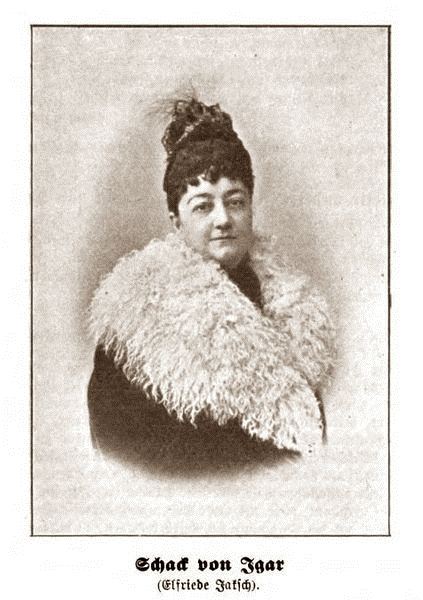
Born in Riga, Elfriede Jaksch was a Baltic-German novelist and writer who published under the pseudonym Schack von Igar. Her fiction explores women's emotional lives, unhappy marriages, and the tensions between personal fulfilment and social expectations. Her novel Conflicte (1882) offers a valuable perspective on the emerging debates about female autonomy and the Frauenfrage in the late nineteenth century. She also contributed to Riga’s cultural life and participated in public debates on women's emancipation.
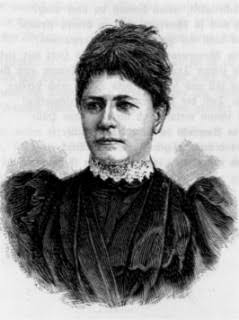
Mia Holm was a Baltic-German poet, writer, and educator born in Riga. After working as a teacher and school director, she pursued a literary career between the Baltic provinces and Germany. Her life was marked by divorce and the loss of a daughter, experiences reflected in her exploration of motherhood, grief, and female autonomy. In Mutterlieder (1897), she transformed maternal love and bereavement into poetic expression, offering a deeply personal perspective on women's emotional lives and creative independence.
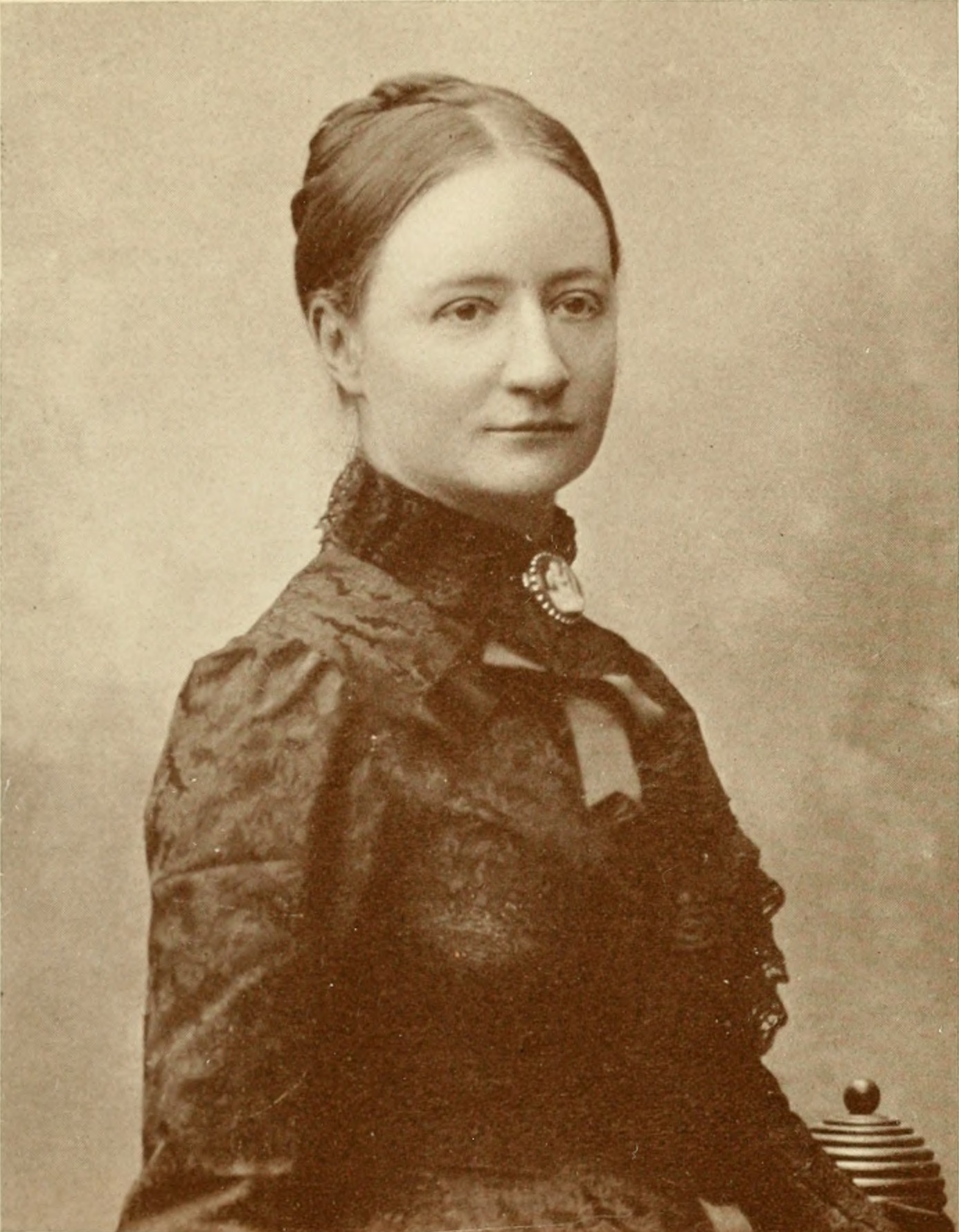
Ellen Key was a Swedish writer, educator, and influential thinker in European debates on women's emancipation. Her reflections on love, marriage, motherhood, and education challenged established conventions while questioning aspects of contemporary feminism. Her works, including Das Jahrhundert des Kindes (1902) and Über Liebe und Ehe (1904), circulated widely in German translation. Key also wrote personal correspondence directly in German, notably her letters to Lou Andreas-Salomé (1898–1920), offering valuable original sources for exploring their intellectual relationship and shared debates on intimacy and female autonomy.
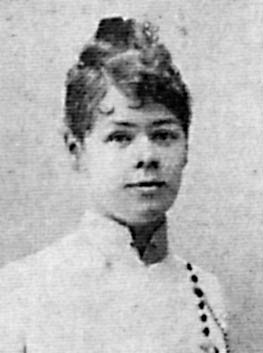
Laura Marholm was a Baltic-German writer and literary critic born in Riga. An influential yet controversial voice in debates on women's emancipation, she examined sexual difference, creativity, and the relationship between intimate partnerships and female self-development. In Das Buch der Frauen (1895), she explored the lives of prominent contemporary women, developing an often ambivalent understanding of female nature, individuality, and intellectual independence.
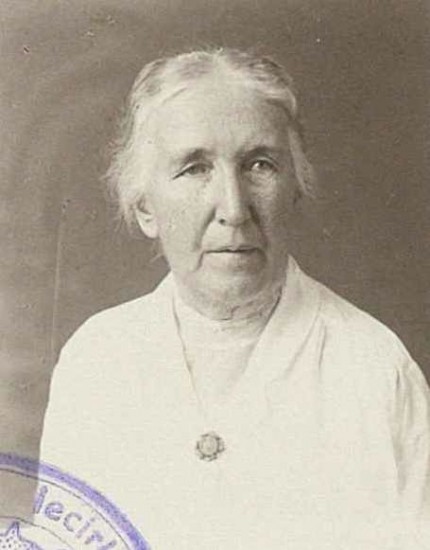
Monika Hunnius was a Baltic-German writer, singer, and music educator born in Riga. Choosing an independent artistic career over marriage, she challenged conventional expectations of women's lives while remaining deeply influenced by Protestant ideals of femininity. Her autobiographical Mein Weg zur Kunst (1925) explores artistic vocation and personal autonomy, while Baltische Frauen von einem Stamm (1930) portrays contrasting models of womanhood, marriage, and female identity. Her writings reveal the tensions between traditional gender ideals and women's aspirations for independence.
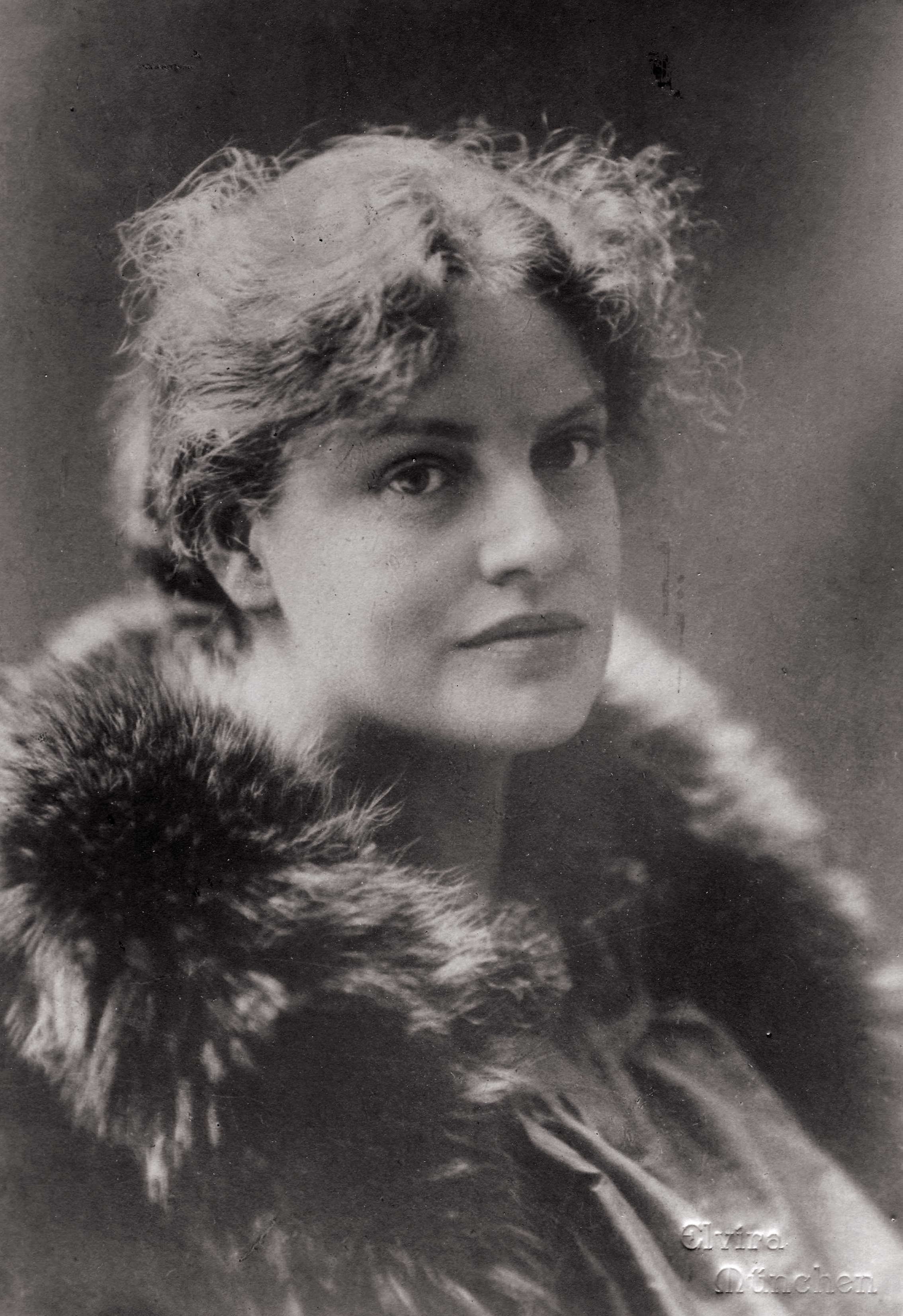
Born in St Petersburg into a family with Baltic roots, Lou Andreas-Salomé was a German-language writer, philosopher, and psychoanalyst whose unconventional life challenged prevailing expectations of marriage and female independence. In works such as Die Erotik (1910) and Das Haus (1921), she explored sexuality, intimate relationships, and women's self-realisation. Her correspondence and friendships with Ellen Key and Frieda von Bülow, alongside her intimate and intellectual relationship with Rainer Maria Rilke, reveal the importance of female friendship, emotional bonds, and creative exchange in shaping her understanding of personal freedom.
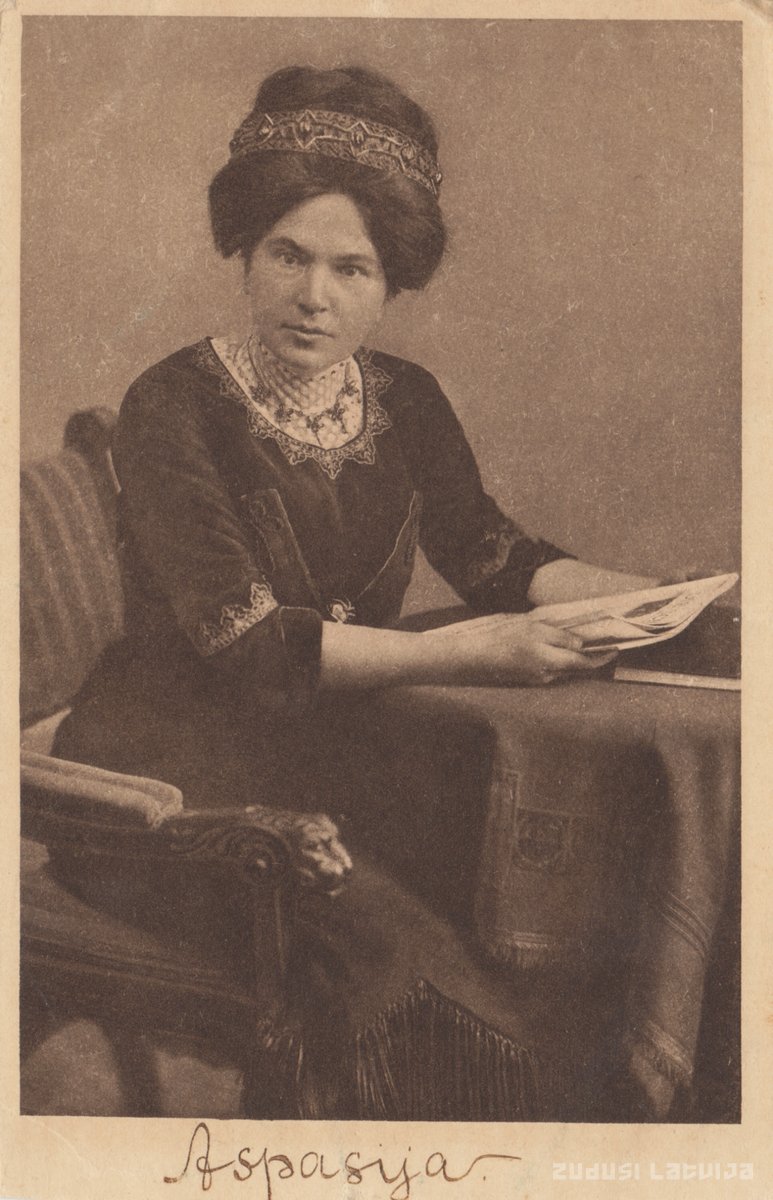
Aspazija, born Johanna Emīlija Lizete Rozenberga, was a Latvian poet, playwright, and pioneering advocate of women's emancipation. After an unhappy first marriage, she established an independent literary career, challenging traditional gender roles through powerful female characters and reflections on love and freedom. Her lifelong intellectual and intimate partnership with Rainis, marked by political persecution and exile, is documented in an extensive correspondence, including original German-language letters. Her writings offer a distinctive perspective on the relationship between personal autonomy, creative expression, and social emancipation.
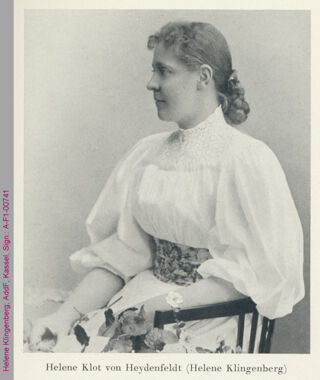
Born in Riga, Helene von Klot-Heydenfeldt was a Baltic-German writer whose novel Eine Frau. Studien nach dem Leben (1892), written in response to Tolstoy’s The Kreutzer Sonata, explored marriage, sexuality, and women's emotional experiences. In 1896, she met Lou Andreas-Salomé in Munich, beginning a lifelong friendship that connected her to wider German-speaking intellectual circles. Her work and personal networks offer a valuable perspective on female subjectivity, intimate relationships, and the negotiation of traditional gender roles around 1900.
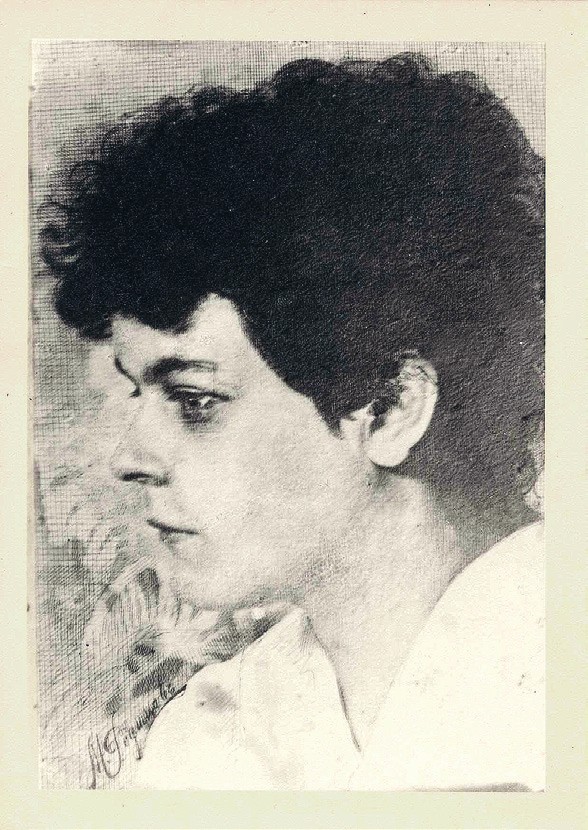
Elfriede Eckardt-Skalberg was a German-language poet, translator, and journalist from Latvia whose writing engaged with Symbolism and Expressionism. Her poetry collection Über drei Stufen (1907) explores love, erotic desire, suffering, and disillusionment, questioning Romantic ideals of enduring love. In 1915, she married the writer Guido Hermann Eckardt, whose work included an early Baltic novel addressing homosexuality. Through her poetry and translations, Eckardt-Skalberg also connected German-speaking and Latvian literary cultures.
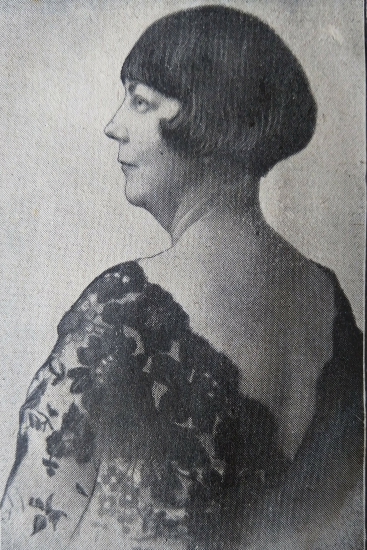
Born in Talsi, Courland, Elisabeth Goercke was a Baltic-German poet, pianist, playwright, and translator. Alongside her work as a music teacher, she published poetry exploring love, emotional experience, nature, and belonging, including Viel süße Minne (1912) and Nach den Sternen (1930). Her literary collaboration and friendship with the Latvian writer Haralds Eldgasts contributed to cultural exchange between German- and Latvian-speaking communities. Her surviving correspondence with Zenta Mauriņa offers a further connection to Baltic women's intellectual networks.
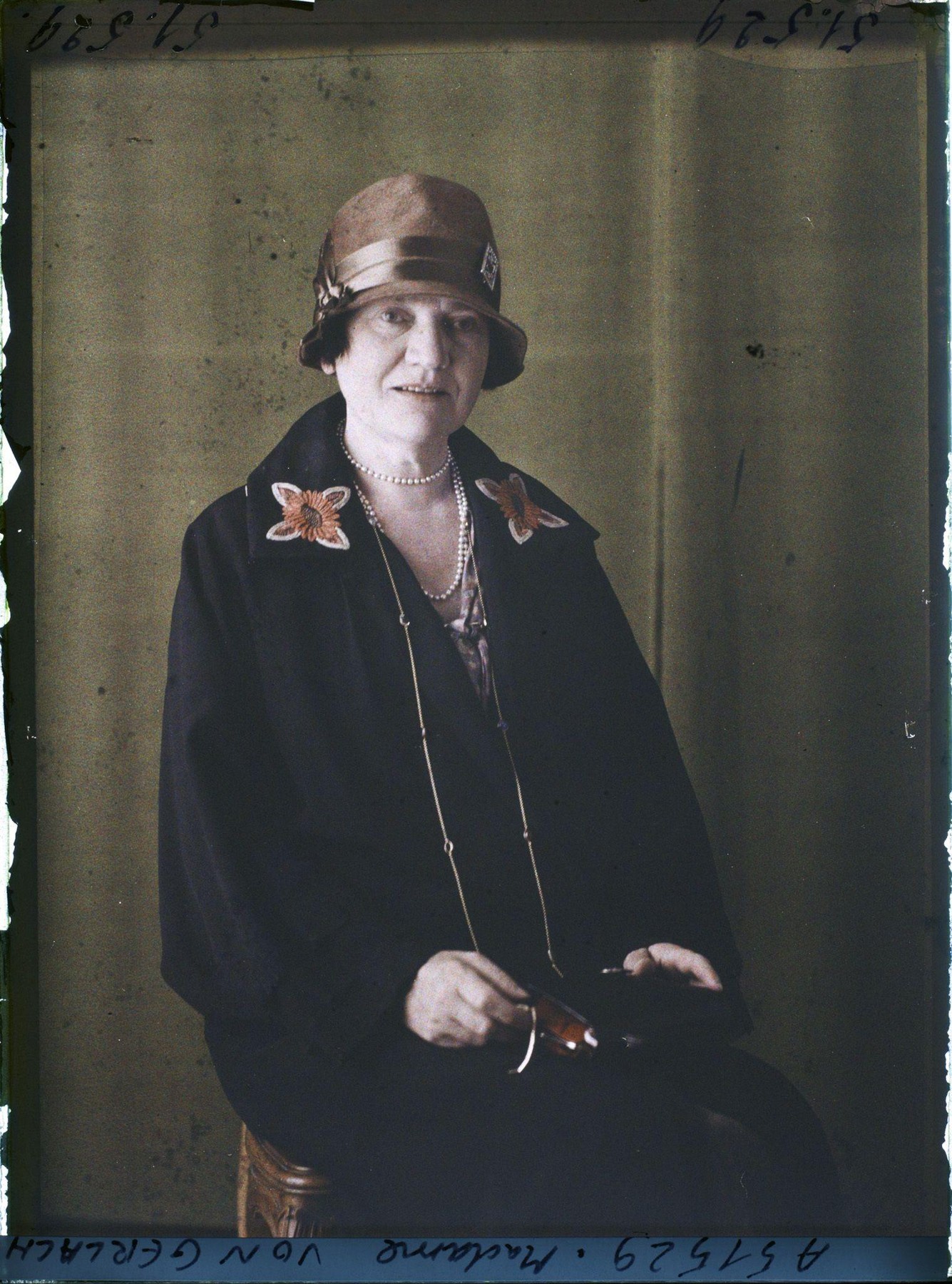
Born in Courland into a Baltic-German aristocratic family, Gertrud von den Brincken was a poet and novelist whose early life was shaped by family loss, financial hardship, and the upheavals of war. Before marrying the philosopher Walther Schmied-Kowarzik in 1925, she worked as a nurse and teacher to support her family. Her poetry, including Wer nicht das Dunkel kennt (1911) and Das Heimwehbuch (1926), explores love, suffering, faith, and the longing for belonging. Her novels and autobiographical writings reflect the disappearance of the Baltic-German world, connecting intimate experience with cultural memory and historical displacement.
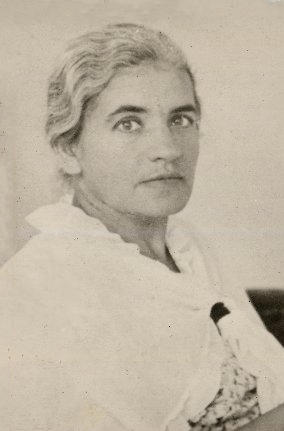
Zenta Mauriņa was a Latvian writer, essayist, and philosopher who published extensively in Latvian and German. A survivor of childhood polio, she developed an independent intellectual career despite lifelong physical disability. Her writings explore love, suffering, spiritual freedom, and human relationships. Her personal life was closely intertwined with that of Konstantīns Raudive, whose daughter, born outside marriage, she helped raise and financially support. Her extensive German-language correspondence with family members and friends, including her close associate Annemarie Morgenthaler, offers a particularly valuable perspective on friendship, emotional attachment, care, and everyday life in exile. These personal relationships illuminate the connections between Mauriņa's lived experiences and her philosophical reflections on love and human existence.
No writers match your search. Try a different name.
Places
Approximate birthplaces · Present-day borders
Working research network · Drag a name or move the network.
The digital corpus
In developmentThe Baltic-RISE Digital Corpus is being developed as an open-access collection of selected German-language literary works and correspondence.
Digitised originals will be accompanied, where available and permitted, by verified German transcriptions, selected English and Latvian translations, and contextual annotations in English.
Meet the research team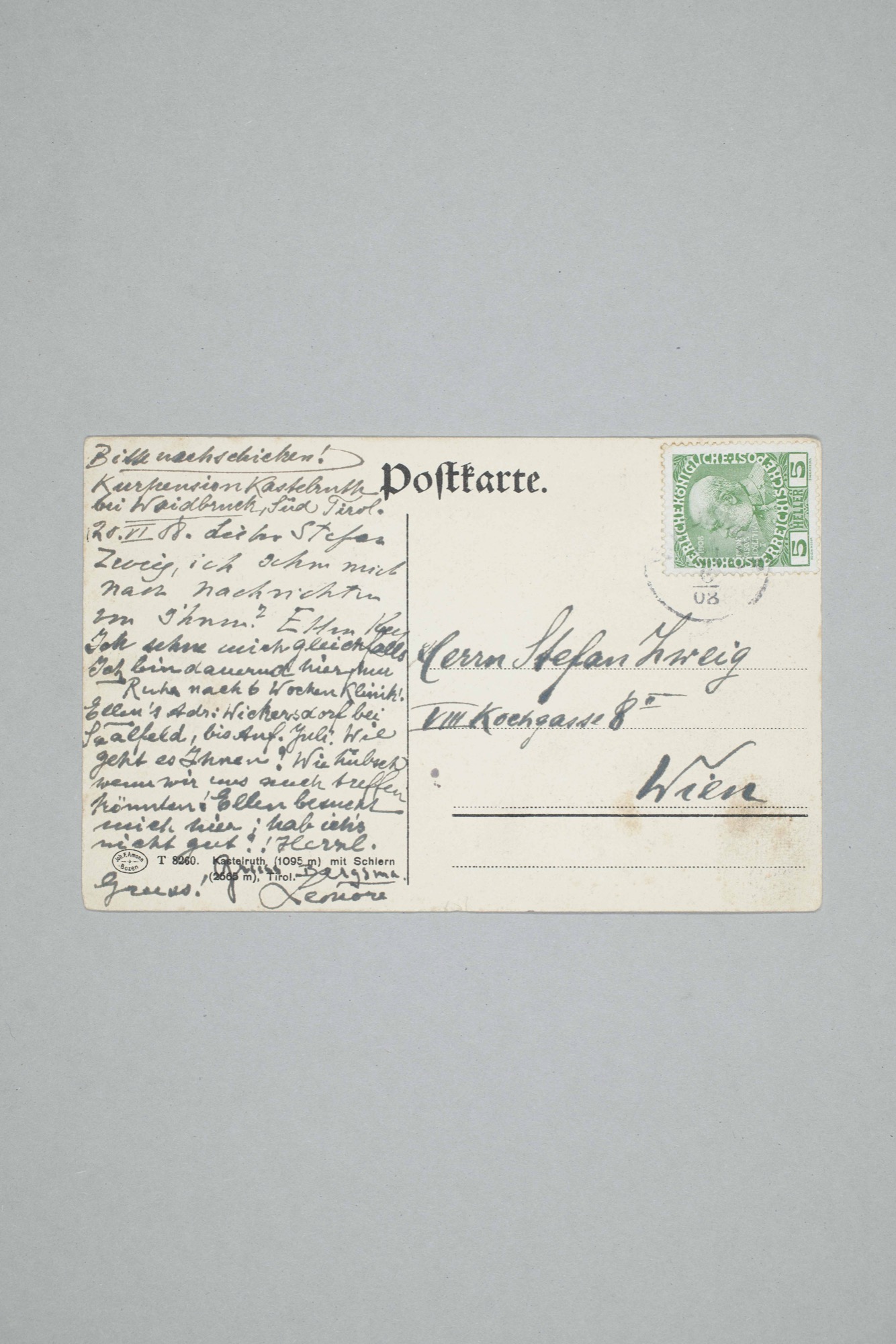
Planned features
View historical documents with bibliographic references and contextual information.
Read the German source alongside available translations, distinguishing original texts from editorial contributions.
Examine textual parallels while distinguishing them from documented intellectual or personal relationships.
The corpus will be linked here when it becomes available.
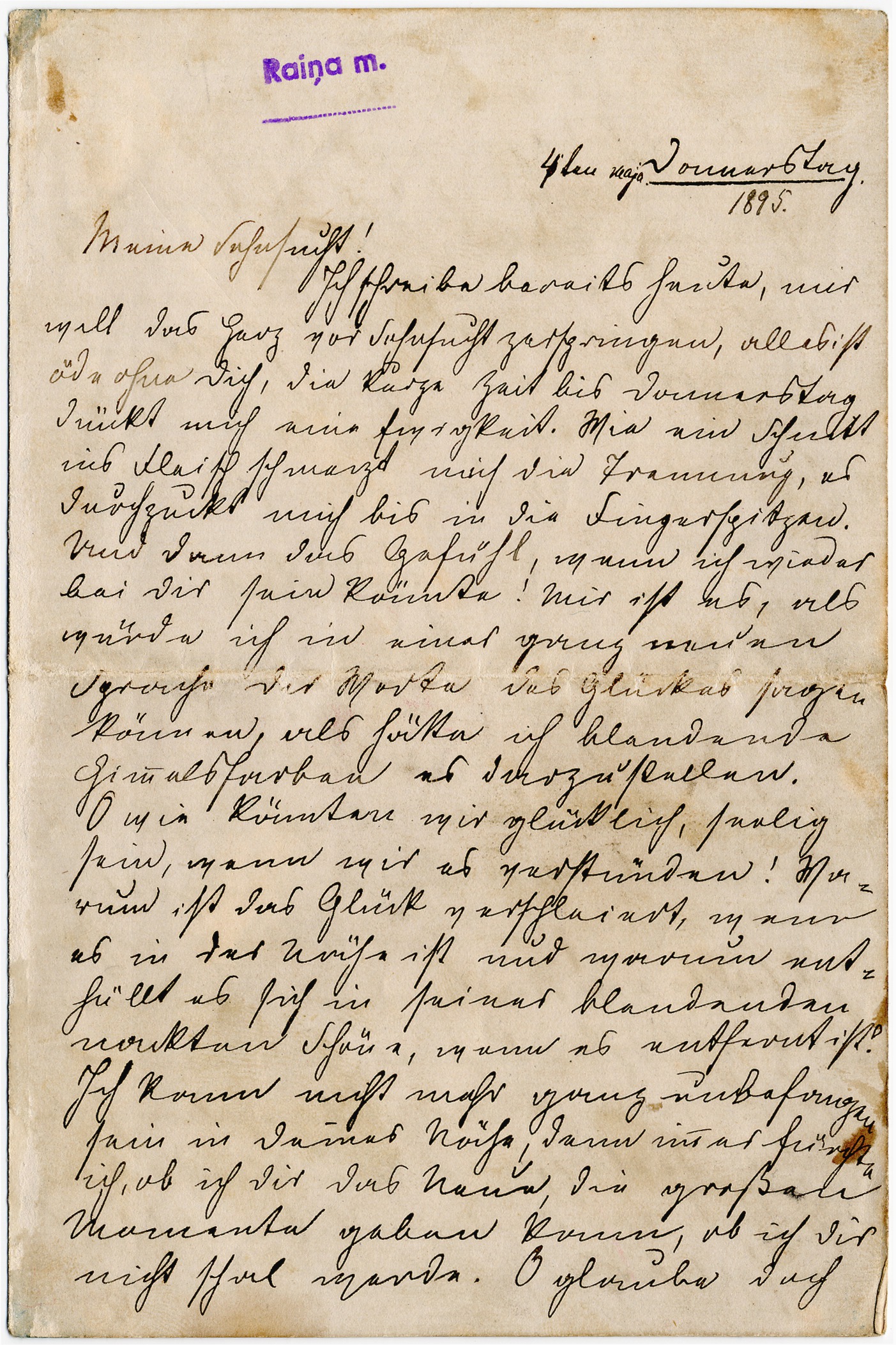
Selected German-language correspondence from the project’s writers.
Team
University of Latvia
Faculty of Humanities
Chiara Gianni leads the Baltic-RISE research project. Her research explores femininity, intimacy, and emancipation through an interdisciplinary approach combining philosophical inquiry, archival research, and digital humanities.
Her expertise spans modern European intellectual history, German philosophy and literature, gender studies, and feminist thought.
Supervisor
University of Latvia
Faculty of Humanities
German philosophy, Romanticism, Baltic-German intellectual history, and European cultural traditions.
Digital humanities supervision
University of Latvia
Faculty of Humanities
Head of the Digital Humanities Center
Digital cultural heritage, textual resources, and research infrastructures.
Funding

Supported by the European Regional Development Fund (ERDF),
2021–2027 programming period.